
Lab-Grown Diamonds Gain Broad Acceptance, But Price Drives Preference
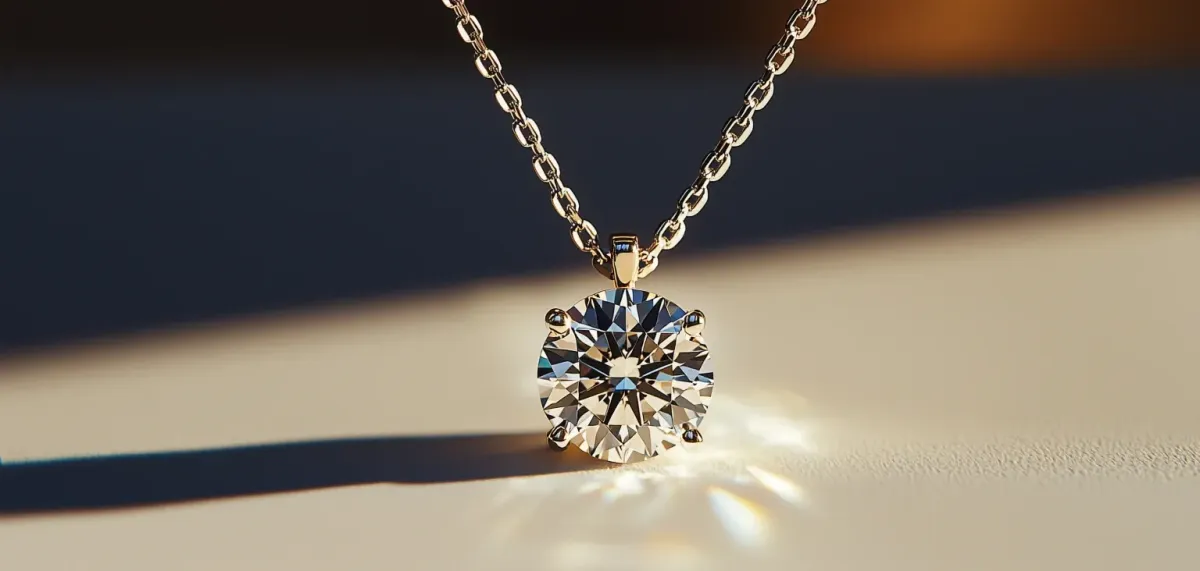
Shoppers – especially younger ones – are increasingly aware of LGDs and open to wearing them. Surveys show that a large majority of consumers would be happy to receive an engagement ring with a lab-grown diamond. Even higher shares say they’d consider lab-grown sapphires, rubies or fashion diamonds. In short, most consumers accept the idea of lab-grown gems in their jewellery. In Canada, too, the story is similar: industry reports note a surge in LGD availability and sales. Canada’s overall diamond market is modest but growing, and lab-grown stones are an ever-larger slice of that mix.
Price vs Ethics
Millennials and Gen Z care about price, ethics and the planet when choosing diamonds. Lab-grown stones score big on those fronts.In recent years, lab-grown diamonds (LGDs) have transitioned from a niche product to a significant segment within the global diamond market. In 2023, LGDs accounted for 14.3% of the global diamond market, with projections indicating an increase to over 21% by 2025. The market was valued at USD 22.79 billion in 2023 and is expected to reach USD 74.45 billion by 2032, exhibiting a compound annual growth rate (CAGR) of 14.11% during the forecast period .
Market Dynamics and Consumer Sentiment
The growth of the LGD market is driven by several factors, including advancements in production technology, increased consumer awareness, and a shift towards ethical and sustainable luxury. However, despite the broad acceptance of LGDs, consumer preference often hinges on price.
Price Sensitivity and Consumer Choice
While many consumers are open to purchasing LGDs, price remains a significant factor in their decision-making process. LGDs are typically sold at 80% to 90% lower prices than mined diamonds, making them an attractive option for budget-conscious buyers. This price disparity has led to increased market share for LGDs, with their sales nearing USD 9 billion in 2024.
However, when price is not a constraint, many consumers still prefer natural diamonds. The emotional value and perceived rarity associated with natural diamonds continue to appeal to a significant portion of the market. This indicates that while LGDs are gaining acceptance, they are often chosen for their affordability rather than a preference for natural stones.
Regional Insights: Canada’s Position in the Global Market
In Canada, the LGD market is experiencing the same growth and consumer base. Understanding the dynamics between LGD acceptance and preference is crucial. Offering both LGDs and natural diamonds allows retailers to cater to a broader customer base. Educating consumers about the benefits and differences of each option can help them make informed decisions.
Additionally, jewellers should consider the following strategies:
• Transparency in Pricing:
Clearly communicate the cost differences between LGDs and natural diamonds to help consumers understand the value proposition of each.
• Emphasize Ethical Sourcing:
Highlight the ethical and sustainable aspects of LGDs to appeal to environmentally conscious consumers.
• Offer Customization:
Provide options for customizing LGD jewellery to enhance its appeal and perceived value.
• Stay Informed:
Keep abreast of market trends and consumer preferences to adjust inventory and marketing strategies accordingly.
In conclusion, the lab-grown diamond market is poised for continued growth, driven by technological advancements and shifting consumer preferences. While price remains a significant factor in consumer choice, the emotional and traditional value associated with natural diamonds continues to influence preference. Canadian jewellers who understand these dynamics and adapt their strategies accordingly will be well-positioned to thrive in this evolving market.
Book a call today to be among the first ones to see what is coming next.



© Copyright 2026. Dioro Jewellery. All rights reserved.